
Author
Freedom Road
Share
Author
Freedom Road
Share
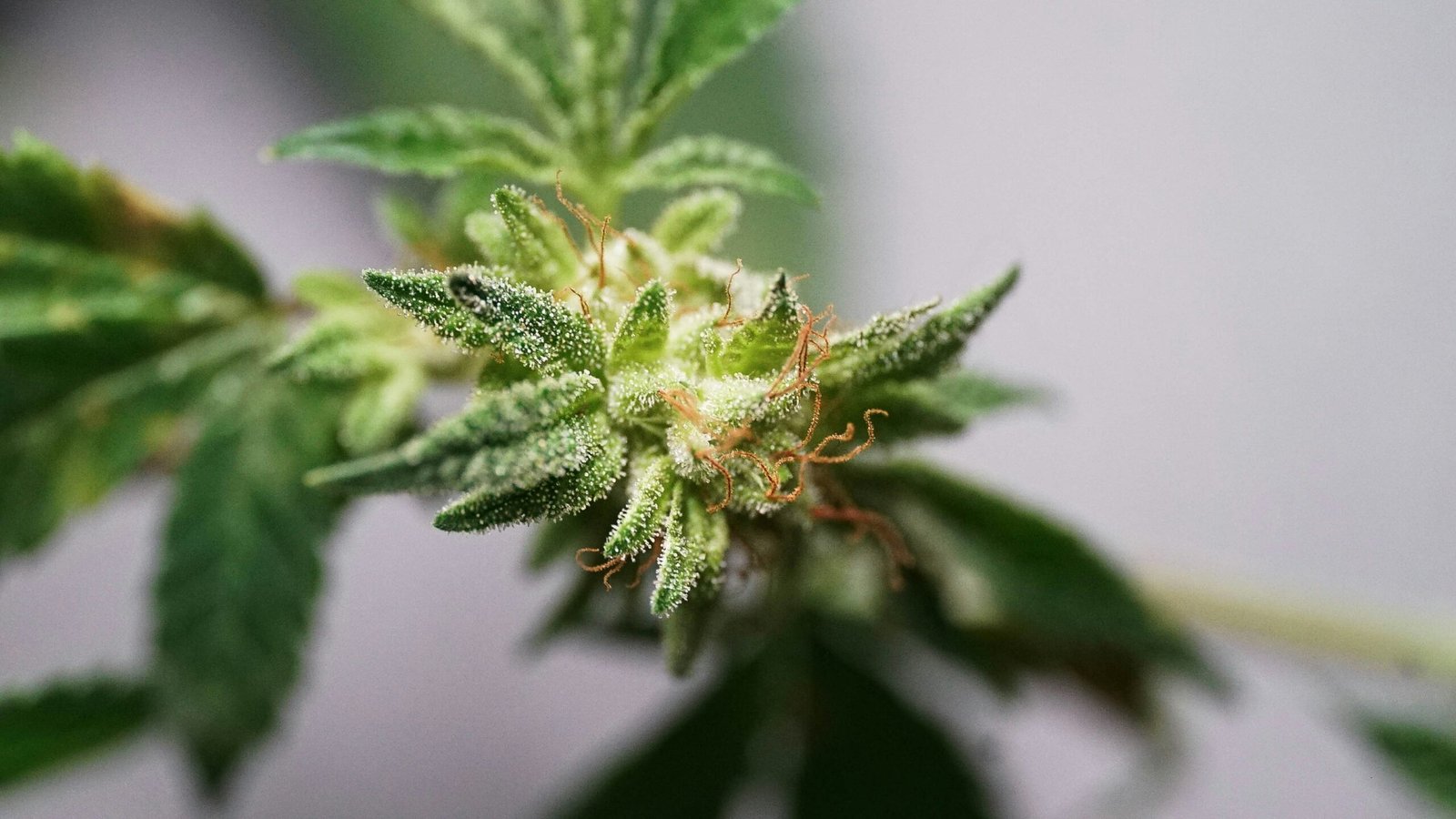
Buyers often focus on potency and overlook stability. Yet stability is what protects value during storage and transport. Moisture and water activity can signal whether the material will hold up. When those metrics drift, quality complaints tend to rise. Processors may see inconsistent performance and unexpected downtime. Dispensaries may see brittle flower and unhappy customers. Because of that, these specs should be discussed before purchase. They aren’t just lab lines, and they’re operational indicators. Moisture quantifies the amount of water present. Water activity reflects how available that water is for microbial growth. In other words, one number shows quantity and the other shows risk. Together, they help predict shelf stability and handling needs. Freedom Road supports partners by emphasizing controlled post-harvest handling. As a result, inputs stay more consistent.
Moisture Basics: What It Affects
Moisture influences texture, aroma, and handling behavior. Material that is too dry can crumble and lose presentation fast. It may also burn harshly and disappoint repeat buyers. Biomass that is too dry can create dust and fines. Those fines can change processing behavior and reduce consistency. On the other hand, material that is too wet can create storage risk. Wet biomass may clump, warm, and develop off odors. Some flower can also degrade more quickly under adverse conditions. Therefore, moisture should be evaluated in light of how the product will be used. A dispensary may prioritize shelf appeal and smooth handling. A processor may prioritize stable runs and predictable inputs. Either way, moisture drift creates headaches. Ask vendors how drying targets are managed and verified. Also, ask how storage is handled after drying. Freedom Road focuses on disciplined post-harvest standards. Consequently, partners can expect fewer moisture-related surprises.
Water Activity: The Stability and Risk Signal Buyers Need
Water activity helps explain microbial risk and shelf behavior. Even when moisture seems acceptable, water activity can still be problematic. That’s why buyers should treat it as a separate indicator. Higher water activity can increase the risk of spoilage during warm transport. It can also create stability concerns during storage delays. Meanwhile, lower water activity tends to support safer stability. However, chasing extremely low numbers can harm texture and aroma. So balance matters more than extremes. Ask whether water activity is monitored for certain product types. If it is monitored, request the value and the context. Storage and transport conditions should match the stability profile. Also, confirm how quickly the material moves after packaging. Long delays increase risk, especially with warm exposure. Freedom Road emphasizes controlled handling and predictable timelines. As a result, stability is supported across the facility and partner levels.
Storage and Transport: Specs Only Work with Good Handling
Numbers can’t save a batch that is handled poorly. Heat exposure can accelerate terpene loss and raise risk. Humidity swings can also create condensation inside packaging. Condensation is a major indicator of stability issues. Therefore, storage and transport standards must align with the material’s requirements. Maintain stable conditions and avoid rapid temperature changes. If transit delays happen, document them and communicate quickly. Receiving teams should also inspect for signs of moisture upon arrival. Off odors, clumping, or condensation deserve immediate attention. Even packaging integrity matters here, because tears can invite moisture shifts. Specs should guide handling, not replace it. A disciplined supplier will align packaging, storage, and timelines together. Freedom Road focuses on professional batch handling and clear communication. Consequently, partners can reduce preventable loss and protect margins.
How To Use These Specs During Purchasing Conversations
Start by asking what the supplier measures and how often. Then ask how targets are maintained across runs and cultivars. Request clarity on how drying and curing are standardized. Next, ask how storage is managed before shipment and during staging. If values are provided, record them with the batch ID for future comparison. Over time, you’ll build a practical dataset for your team. That dataset helps identify which inputs perform best. It also helps spot drift before it becomes a costly trend. Another smart move involves tier clarity. Different tiers may behave differently under the same conditions. Therefore, define the tier and the handling plan together. If your workflow is sensitive, request a sample and run a small pilot. That step can protect both your schedule and your budget. Freedom Road supports these conversations through consistent practices and batch discipline.
Why Freedom Road’s Standards Support Stability For Partners
Stability is built through process discipline. Controlled environments reduce stress and variability. Post-harvest SOPs protect the material after harvest. Clean handling reduces contamination risk and supports predictable outcomes. Clear batch separation keeps lots consistent for partners. In addition, communication helps teams plan storage and production timing. When buyers understand how a facility operates, trust grows faster. Freedom Road focuses on consistency at scale in Oklahoma. That focus supports processors who need predictable inputs. It also supports wholesale buyers who need reliable quality and fewer complaints. Instead of relying on luck, our goal is repeatable outcomes. When specs and handling align, losses drop, and performance improves.