
Author
Freedom Road
Share
Author
Freedom Road
Share
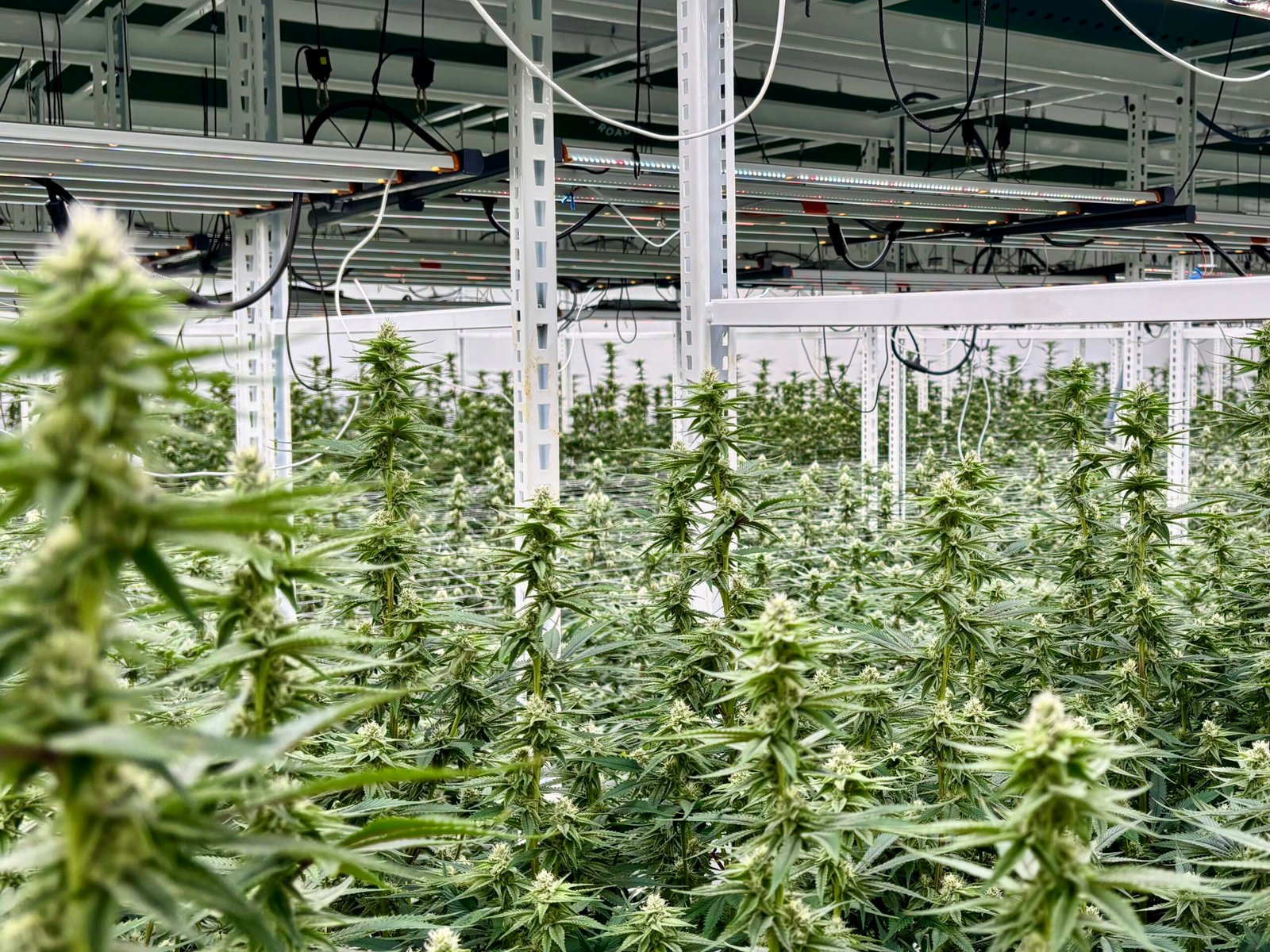
Cannabis cultivation is often discussed in broad or oversimplified terms, but the plant behaves like any other crop: its performance depends on genetics, physiology, environment, and management. A productive crop is not the result of a single input or shortcut. Instead, it comes from understanding how the plant grows, how it responds to light and temperature, how roots acquire water and nutrients, and how cultivation practices shape development from seedling to mature flower.
From an agricultural standpoint, cannabis is best understood as an annual broadleaf crop with distinct vegetative and reproductive phases. Its growth pattern depends strongly on photoperiod, root-zone conditions, air movement, humidity, irrigation strategy, and nutrient balance. Because the crop is commonly grown in outdoor fields, greenhouses, and fully controlled indoor facilities, cultivation outcomes can differ widely even when the genetics are similar. That variability is exactly why a scientific framework matters. Good cultivation begins with plant biology, then builds outward into system design, environmental management, and crop nutrition.
Plant Biology and Basic Structure
Botanical classification and reproductive habit
Cannabis sativa L. belongs to the Cannabaceae family and is generally described as an annual, usually dioecious species, meaning male and female flowers typically develop on separate plants. In cultivation, growers may also encounter monoecious or intersex expression depending on genetics and environmental stress. Morphologically, the plant produces a central stem, lateral branches, a fibrous root system, and characteristic serrated leaves with multiple leaflets. As the plant matures, branching pattern, internode spacing, leaf shape, and canopy architecture can vary substantially among cultivars.
Functions of roots, stems, and leaves
The crop’s structure helps explain many management decisions. Roots are responsible for water uptake, mineral absorption, and anchorage, but they also need oxygen in the root zone. If the substrate stays saturated for too long, root respiration declines and the crop becomes more vulnerable to disease and nutrient dysfunction. Above ground, stems support the canopy and transport water, dissolved minerals, and photosynthates between roots and leaves. Leaves serve as the primary site of photosynthesis, where light energy is converted into the carbohydrates that power growth, maintenance, and reproductive development.
Developmental priorities across the crop cycle
Like other fast-growing annual crops, cannabis shifts its priorities as it develops. Early growth emphasizes root establishment, leaf expansion, and stem elongation. During vegetative development, the plant builds the photosynthetic machinery needed to support later reproductive growth. Once reproductive signals are triggered, growth energy shifts increasingly toward flower formation and maturation. Understanding that transition is central to cultivation, because irrigation, nutrition, pruning, and environmental strategy all need to match the crop’s developmental stage.
Growth Cycles and Developmental Stages
General life-cycle pattern
The cannabis life cycle is commonly divided into germination, seedling establishment, vegetative growth, flowering, and maturation. Those stages are useful management categories, but they should not be treated as rigid calendar events. Duration varies with cultivar, light regime, plant density, and production method.
Germination and early emergence
Germination begins when the seed absorbs water and metabolic activity resumes. Under favorable moisture and temperature conditions, the radicle emerges first, followed by the hypocotyl and cotyledons. At this stage, overly wet media can be just as damaging as insufficient moisture because oxygen availability around the seed is limited in saturated conditions. Uniform germination depends on consistent temperature, gentle moisture, and clean media with good structure.
Seedling establishment
The seedling stage starts once the first true leaves form. Seedlings are physiologically delicate. Their root systems are small, transpiration capacity is limited, and they are more vulnerable to overwatering, fertilizer injury, and abrupt environmental swings than mature plants. In practical terms, this means irrigation must be frequent enough to prevent desiccation but light enough to preserve air-filled pore space in the substrate. Growers usually introduce light intensity progressively so seedlings can establish without excess stress.
Vegetative growth and canopy expansion
Vegetative growth follows as the canopy expands and the root system colonizes the container or soil profile. This is the stage in which branching pattern, internode length, leaf area, and overall plant architecture are established. From an agronomic perspective, vegetative growth is the period when cultivators shape the crop. Spacing, pruning, trellising, and irrigation frequency all influence how efficiently the canopy intercepts light and how easily air moves through the stand. Excessive shading within dense canopies can reduce lower-leaf productivity and increase disease pressure, while an overly open canopy may underuse available light.
Flowering and reproductive allocation
Flowering in cannabis is closely tied to photoperiod in many cultivars. When day length shortens beyond the plant’s critical threshold, reproductive development begins. In controlled environments, growers manage this transition by adjusting the light schedule. In outdoor systems, the seasonal pattern of natural daylight governs the shift. Once flowering begins, vegetative elongation may continue for a period, but the plant increasingly allocates resources toward inflorescence development. This stage requires stable environmental control, because sudden stress from heat, drought, nutrient imbalance, or irregular lighting can reduce crop uniformity and quality.
Maturation and crop timing
Maturation is the final part of the cycle. Water management, disease prevention, and nutrient balance remain important, but the goal shifts from maximizing vegetative expansion to supporting orderly reproductive finish. Stage lengths vary widely across cultivars and production systems, so growers who rely only on the calendar often make mistimed decisions. Crop observation is more reliable than fixed assumptions. Plant posture, leaf color, root development, canopy density, and the pace of floral development all provide practical signals for management.
Cultivation Methods and Production Systems
Outdoor cultivation
Cannabis can be grown outdoors, in greenhouses, or indoors under fully controlled conditions. Each system has different agronomic tradeoffs. None is universally superior. The best choice depends on climate, infrastructure, biosecurity goals, labor, and the degree of environmental control required.
Outdoor cultivation relies on natural sunlight and seasonal conditions. Its main agronomic advantage is access to full-spectrum solar radiation and a broad rooting environment when plants are established in the field. Outdoor production can support vigorous growth, but it also exposes the crop to rainfall, wind, temperature swings, pests, and regional disease pressure. Site selection becomes critical. Soil drainage, slope, air circulation, and water quality often determine whether an outdoor field performs consistently or suffers repeated setbacks.
Greenhouse cultivation
Greenhouse cultivation occupies the middle ground between field and indoor production. A greenhouse allows the use of sunlight while also enabling partial control over temperature, humidity, ventilation, and sometimes supplemental lighting. This system can improve crop protection and scheduling flexibility compared with outdoor production, but it still requires careful environmental steering. On warm days, poor ventilation can rapidly elevate temperature and humidity. On cool nights, condensation and leaf wetness can create favorable conditions for disease. Greenhouses reward attentive climate management rather than passive operation.
Indoor cultivation
Indoor cultivation offers the highest level of environmental control. Light intensity, photoperiod, temperature, humidity, air movement, and irrigation can all be managed precisely. That precision allows year-round production and highly repeatable crop scheduling. At the same time, indoor cultivation is technically demanding. Small mistakes in sensor calibration, irrigation frequency, root-zone chemistry, or airflow can affect the entire crop quickly because the system is so controlled and interconnected.
Soil, substrates, and soilless systems
Within these broader systems, the crop may be grown in field soil, container substrates, or soilless systems such as hydroponics. Soil-based cultivation depends on the physical and biological properties of the soil, including texture, structure, organic matter, drainage, and microbial activity. Container substrates are often designed to balance water-holding capacity with aeration, giving the cultivator tighter control over irrigation and fertility. Hydroponic production separates the crop even further from native soil and allows nutrients to be delivered directly in solution. That approach can support precise management, but it also reduces the buffering capacity that soils or organic substrates provide. When a nutrient or irrigation error occurs in hydroponics, the crop often feels it sooner.
Environmental Factors That Shape Crop Performance
Light intensity, duration, and spectral quality
Light is one of the most important drivers of cannabis growth. It affects photosynthesis, morphology, and developmental timing. Three aspects matter most: intensity, duration, and spectral quality. Insufficient light limits carbohydrate production and can lead to weak, elongated growth. Excessive light, especially when paired with heat or water stress, can damage tissues and reduce efficiency. Photoperiod is especially important because many cannabis cultivars initiate flowering in response to shorter day length. Even brief interruptions to a dark period in controlled environments can interfere with reproductive signaling.
Temperature and metabolic activity
Temperature interacts with nearly every other environmental variable. Photosynthesis, respiration, water use, and enzyme activity are all temperature dependent. When temperatures are too low, metabolic processes slow and growth becomes sluggish. When temperatures are too high, respiration can consume a larger share of the plant’s energy, tissues may become stressed, and water demand rises sharply. The challenge is not just choosing a target temperature, but maintaining a reasonable day-night pattern that supports steady growth without encouraging excess stretch or condensation.
Relative humidity and disease risk
Relative humidity matters because it influences transpiration and disease risk. High humidity can reduce transpiration, slow nutrient movement through the xylem, and increase the persistence of surface moisture. Low humidity can accelerate water loss and force the plant to close stomata, limiting gas exchange and photosynthesis. The correct humidity range is not fixed across the crop cycle. Young plants often tolerate or benefit from somewhat higher humidity than mature flowering plants, which generally need drier air and stronger air movement to reduce disease pressure.
Air movement and ventilation
Air movement is frequently underestimated. Still air encourages boundary-layer buildup around leaves, slows heat exchange, and allows localized humidity to rise inside dense canopies. Good airflow helps moderate leaf temperature, strengthens stems mechanically, and reduces the chance that moisture will linger long enough to favor fungal development. Ventilation also plays a major role in temperature control and fresh-air exchange, especially in enclosed systems.
Water quality and irrigation strategy
Water quality and irrigation strategy are equally important. Plants do not simply need water; they need appropriately timed water applications in a root zone with enough oxygen to support respiration. Overirrigation is one of the most common cultural errors because it damages root function quietly at first. Poor drainage, frequent saturation, or water with unsuitable salinity can all reduce growth even when aboveground symptoms are not immediately obvious.
Nutrients, Fertility, and Root-Zone Management
Essential mineral nutrients
Cannabis requires the same essential mineral nutrients as other crop plants. The primary macronutrients are nitrogen, phosphorus, and potassium. Secondary nutrients include calcium, magnesium, and sulfur. Micronutrients such as iron, manganese, zinc, boron, copper, molybdenum, chlorine, and nickel are required in much smaller quantities but are still essential for normal growth.
Nutrient functions in the plant
Nitrogen supports chlorophyll formation, amino acid synthesis, and vigorous vegetative growth. When nitrogen is deficient, older leaves often lose green color first because nitrogen is mobile within the plant and can be relocated to new growth. Phosphorus plays a role in energy transfer, nucleic acid structure, and root development. Potassium is involved in osmotic regulation, stomatal function, and enzyme activation. Calcium is critical for cell wall formation and meristem health, while magnesium is the central atom in chlorophyll and supports photosynthetic function.
Changing demand across development
The crop’s nutrient demand changes over time. During vegetative growth, the plant typically requires strong support for leaf expansion, stem development, and canopy establishment. As the crop transitions into reproductive development, the balance of demand shifts. That does not mean one nutrient suddenly becomes irrelevant and another alone determines success. It means nutrient management must stay proportional to growth stage, irrigation frequency, and substrate conditions.
Availability, pH, and salinity
Just as important as nutrient supply is nutrient availability. A substrate can contain adequate minerals on paper yet still produce deficiency symptoms if pH, salinity, moisture, or root health interfere with uptake. Root-zone pH affects the chemical form and availability of many nutrients. Electrical conductivity can help indicate the overall concentration of dissolved salts, but it does not identify which ions are in excess or deficit. For that reason, sound fertility programs rely on monitoring rather than guesswork.
Diagnosing deficiency and toxicity
Deficiency and toxicity symptoms should be interpreted carefully. Chlorosis, necrotic margins, stunting, or distorted new growth may point to nutrient imbalance, but similar symptoms can also result from root disease, waterlogging, drought stress, or temperature extremes. Good diagnosis starts with the entire system: irrigation history, substrate moisture, recent fertilizer changes, root appearance, and environmental records. Treating every symptom as a fertilizer problem often makes the real issue worse.
Common Cultivation Problems and Practical Management
Stage-to-practice mismatches
Many cannabis production problems are not caused by a single catastrophic event. More often, they develop gradually through a mismatch between plant stage and cultural practice. Seedlings decline when media stay too wet. Vegetative plants become weak and uneven when spacing is poor and light distribution is inconsistent. Flowering crops become more disease-prone when dense canopies trap humidity and restrict airflow.
Cumulative nutrient and salinity problems
Nutrient problems also tend to be cumulative. Repeated overfertilization can increase salt levels in the root zone and impair water uptake. Chronic underfeeding can limit leaf area development and reduce the plant’s ability to support later reproductive growth. Meanwhile, environmental instability can amplify both problems. A plant under heat stress, for example, may use water differently than expected, which changes how quickly salts accumulate in the substrate.
Management principles for consistency
Strong cultivation programs therefore focus on consistency. Start with clean propagation material and a well-chosen substrate. Match irrigation volume and frequency to container size, rooting depth, and evapotranspiration demand. Maintain environmental records rather than relying on memory. Inspect roots, not just leaves. Train and prune the canopy with airflow and light penetration in mind. Most importantly, make adjustments based on measured conditions and crop observation instead of reacting to isolated symptoms.
From a scientific and agricultural perspective, successful cannabis cultivation is less about chasing a perfect formula and more about managing a living system. The plant follows recognizable biological rules. It responds to light, water, nutrients, oxygen, and temperature in ways that are consistent with crop physiology. When cultivation practices align with those rules, the crop develops more uniformly and predictably. When those basic principles are ignored, problems tend to multiply no matter how advanced the facility may be.
Final Perspective
Why agronomy remains the foundation
Cannabis is a biologically responsive crop whose productivity depends on the interaction between genetics and environment. Plant biology explains why roots need oxygen, why leaves need sufficient light, why flowering is tied to photoperiod, and why nutrient management must change across development. Growth cycles provide the framework for staging decisions. Cultivation methods determine how much control the producer has over the environment. Environmental factors and nutrient availability ultimately decide whether that genetic potential can be expressed consistently.
For that reason, the science of cannabis cultivation should be approached much like the science of any intensive horticultural crop. Good results come from observation, measurement, and disciplined management. A grower who understands the plant’s life cycle, root-zone needs, and environmental responses is better equipped to produce healthy, uniform crops than one who relies on formulas without context. In the long run, sound agronomy remains the most reliable foundation for successful cannabis production.