
Author
amanda
Share
Author
amanda
Share
Why Terpenes Drift After Packaging
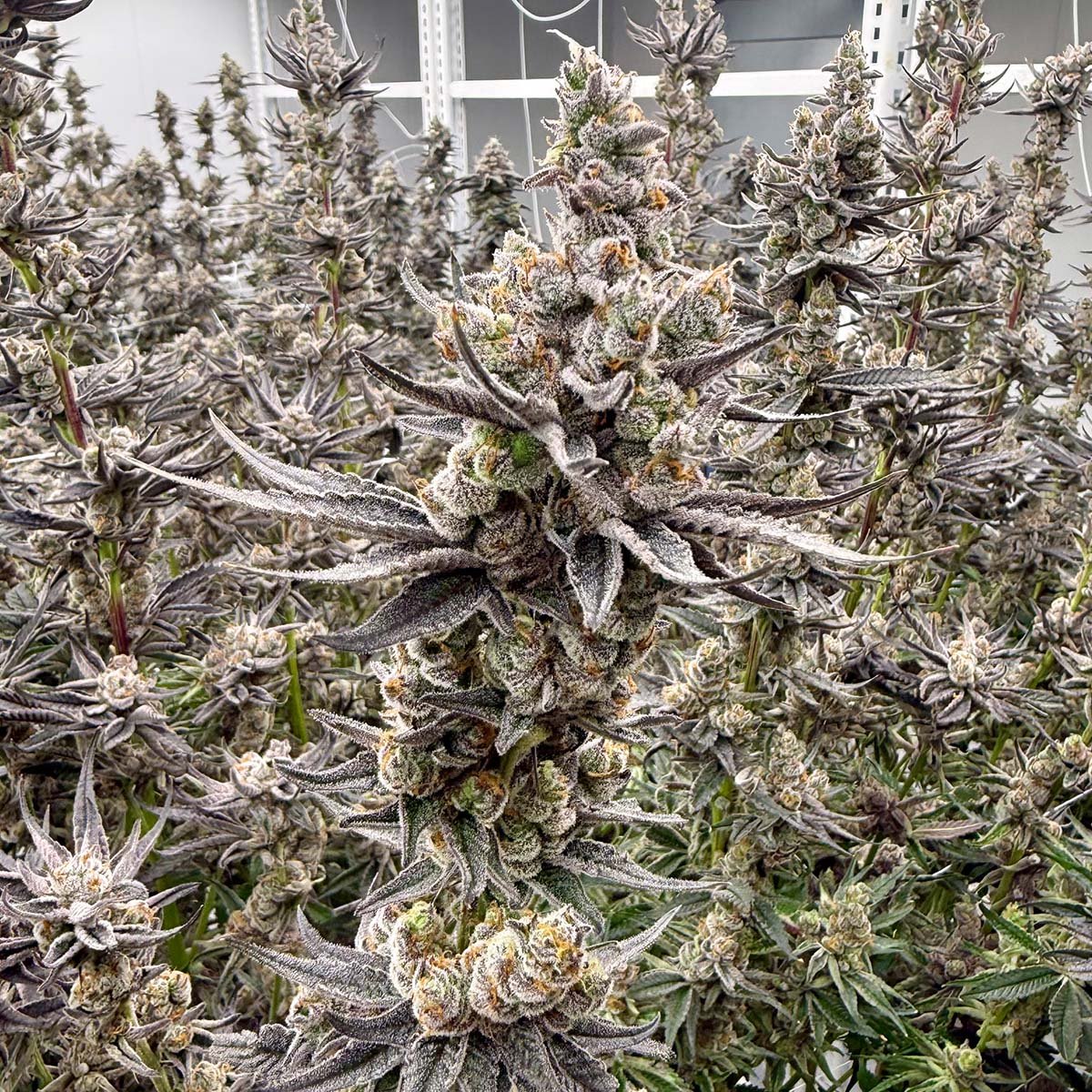
Processors chase consistency, and terpenes often decide whether a run hits the mark. Yet terpene loss can start the moment the flower gets packaged. Many teams blame genetics when the real culprit is storage conditions. Over time, exposure to oxygen, temperature swings, and light degrades volatile compounds. Some lab commentary notes that terpene profiles can change significantly during storage. One report cites flower losing a large portion of their original terpenes over months, depending on conditions. Because concentrates amplify aroma differences, small losses become obvious fast. That’s why “fresh” can’t be a vague promise. Instead, it should be supported by handling standards you can verify. A strong grow partner builds systems that preserve aroma past harvest day. When those systems are in place, processors experience fewer surprises and less rework. In short, terpene preservation is a supply-chain skill, not a matter of luck.
Oxygen and Microclimate: The Quiet Terp Killers
Packaging creates a tiny climate around the flower. When that microclimate keeps shifting, terpenes move or transform. One packaging explainer describes terp loss as occurring when the equilibrium is disturbed by air exchange and oxygen. That concept matters for processors because oxygen drives drift in aroma and chemistry. Each unnecessary opening adds fresh oxygen to the container. Each loose seal speeds air exchange and volatilization. Meanwhile, materials absorbed into packaging can change the profile over time. Because of this, “sealed” should mean something specific. Ask how packaging limits oxygen exposure during storage and transport. Controlled environments help, yet packaging design finishes the job. When a supplier treats microclimate as part of quality control, terpene results stay steadier. That steadiness protects repeatability for extraction runs.

Temperature Swings and Light Exposure During Holding Time
Heat is a terpene accelerator, and not in a good way. Warm staging areas can flatten aroma faster than teams expect. Rapid temperature changes can also cause condensation issues. Even if the lot stays sealed, swings disturb the internal environment, and light exposure contributes as well, especially during long holds. When storage routines aren’t disciplined, lots drift before intake even begins. Terpene degradation can occur even under “decent” storage, since compounds are naturally unstable. That’s why processors should plan receiving like a quality step. If the product sits in a warm truck or loading bay, document it. If delays happen, communicate early and adjust your run plan. Strong suppliers reduce these risks by staging quickly and storing consistently. Consistency here protects aroma, which protects your finished product.
Packaging Choices That Preserve Aroma for Processing
Not all packaging protects terpenes equally. Barrier properties, seal integrity, and oxygen control matter most. Many industry process guides highlight nitrogen flushing and vacuum sealing as methods to reduce exposure to oxygen. Those methods can help preserve terpene character during storage and transport. Container fill level matters too, since crushing increases breakage and fines. Fines can change extraction behavior and shift sensory results. Clear labeling also helps, because mixed lots lead to mixed outcomes. A processor-friendly supplier chooses packaging based on stability rather than convenience. Ask what materials are used and why. Ask how lots are protected from repeated opening. If the answer is “we just bag it,” your risk goes up. When packaging supports low oxygen and a stable microclimate, your terpene profile stays closer to spec.
What to Ask a Grow Facility Before You Buy for Terpene Consistency
Start with a simple question: “How do you prevent terpene loss after packaging?” Then ask about storage temperature targets and staging practices. Request clarity on how long lots are held before transfer. Ask what packaging format is used for wholesale, and why it was chosen. Confirm seal checks happen before shipment, not after problems appear. Next, ask how many times lots get handled or repacked. Fewer transfers usually mean less disruption to terpenes. If terpene panels are available, compare ranges across recent lots. Focus on patterns, not on a single impressive number. Ask how drift is communicated when it happens. Early notice helps you protect schedules and product targets. A strong grow partner welcomes these questions because they reduce conflict. Freedom Road’s grow-facility approach supports clear batch discipline and practical communication for partners in Oklahoma City.
Why Processors Choose Freedom Road for Aroma-Forward Consistency
Processors need inputs that hold up past harvest day. That means disciplined handling, stable storage routines, and packaging that protects the profile. Freedom Road operates in Oklahoma City and supports OMMA-licensed partners with consistent supply and clear batch communication. We focus on repeatable cultivation and post-harvest discipline, so aroma doesn’t depend on chance. When partners request details, we aim to keep the conversation straightforward and usable. That helps you plan runs, forecast needs, and reduce last-minute substitutions. If you’re building terpene-forward products, consistent inputs protect your brand. We’d rather align on real specs than oversell a one-time batch.