Author
Freedom Road
Share
Author
Freedom Road
Share
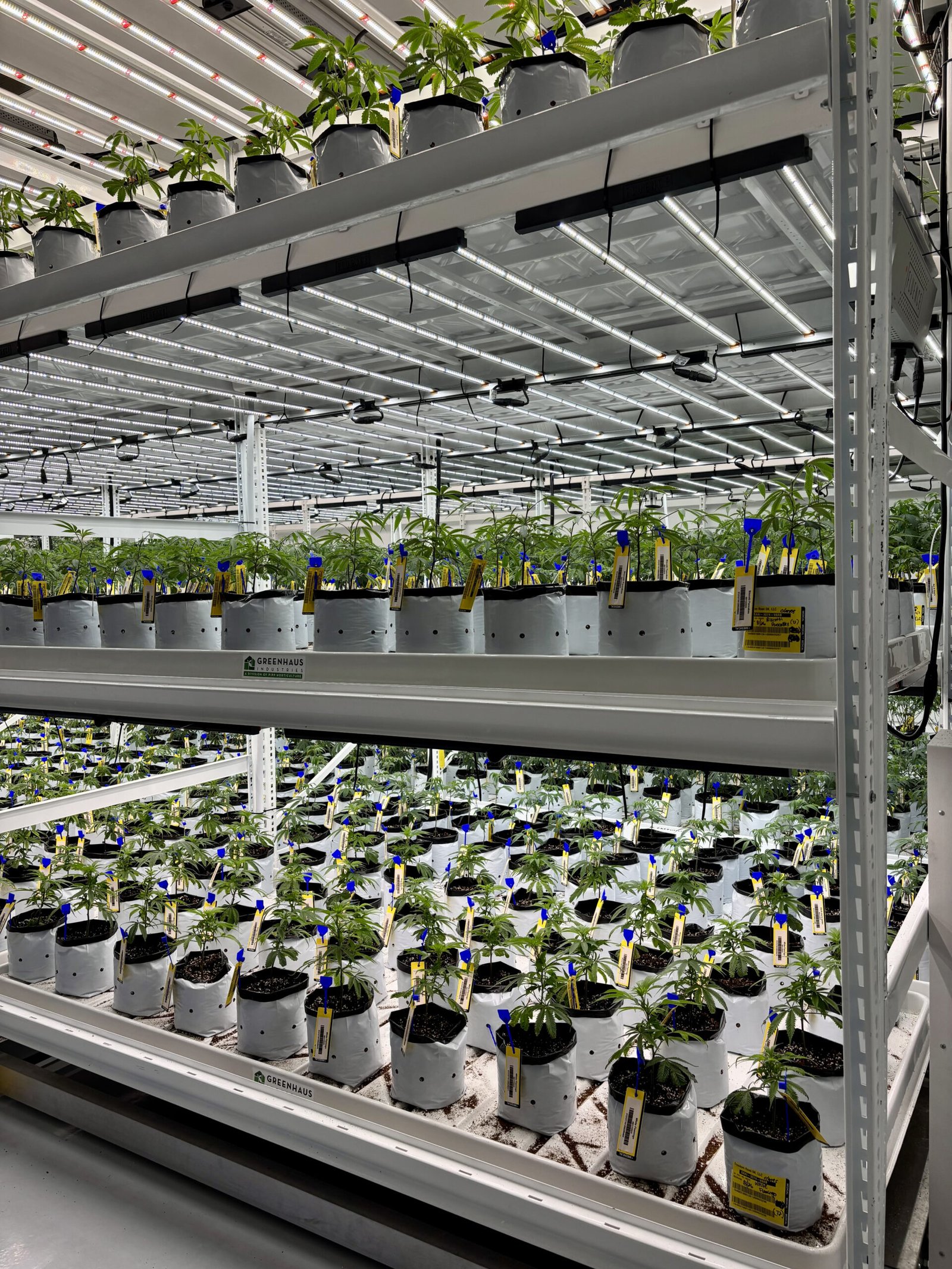
Cannabis is a living crop, so variation can happen fast. Even small changes can shift aroma, texture, and performance. Different rooms, different staff habits, and timing shifts all add up. Meanwhile, weather and utilities can indirectly affect indoor conditions. A strain name also doesn’t guarantee identical outcomes. Because of that, buyers often see “same label, different experience.” Processors feel it through yield swings and inconsistent runs. Dispensaries feel it through returns and slower sell-through. However, variability isn’t always inevitable. It usually drops when systems become tighter and more repeatable. That’s where a quality system matters most. A strong grow facility controls key variables and documents decisions. Then it improves based on what the data shows. Freedom Road built its quality system to reduce drift at the source. As a result, partners can plan menus and production with more confidence.
Our Approach
Quality control can’t be a last-minute inspection. Instead, it has to be a daily routine that prevents issues early. So we focus on control, consistency, and clear documentation. When a process is repeatable, outcomes become easier to predict. That helps wholesale buyers reorder without worry. It also helps processors lock in specs for repeatable production. We standardize room targets, staff routines, and batch identification. We then use checkpoints to detect drift before it leads to loss. If something changes, we record it and correct it quickly. Meanwhile, communication stays straightforward because partners deserve clarity. Our goal isn’t hype; it’s dependable quality that you can verify. Freedom Road operates with professional grow-facility standards in Oklahoma. Consequently, our quality system supports scale without sacrificing consistency. Over time, that discipline builds trust and long-term relationships.

Environmental Control Without Jargon
Plants respond to their environment every hour. Therefore, stability matters more than chasing extremes. Temperature swings can stress plants and change resin expression. Sudden heat can flatten aroma and reduce consistency. Cold shifts can slow development and stretch timelines. So we manage temperature within controlled ranges and avoid sharp changes. Humidity also needs to be balanced, as extremes create problems. High humidity can raise microbial risk. Low humidity can dry material unevenly and reduce quality. Airflow ties it together by reducing hot spots and stale pockets. Instead of blasting plants, we aim for even circulation. That helps keep the canopy consistent across the room. When these fundamentals stay stable, batches become easier to repeat. Processors see fewer surprises in performance. Dispensaries see more consistent presentation and customer feedback. Freedom Road prioritizes controlled environments to ensure stability in every run.
Sanitation And Clean Zones
Sanitation is one of the most overlooked consistency drivers. Contamination risk rises when traffic and tools aren’t controlled. We use clean-zone practices and clear movement rules. We separate tasks, limit cross-contact, and clean on schedule. Equipment and surfaces get routine attention, not occasional attention. Staff training matters too, because habits create outcomes. When cleanliness is consistent, quality stays more stable. It also reduces issues that can appear late in the cycle. Furthermore, proper handling protects aroma and appearance throughout post-harvest processing. Buyers benefit because the product arrives in better condition. Processors benefit because inputs stay more predictable and stable. In other words, sanitation protects both performance and reputation. Freedom Road treats cleanliness as a quality gate, not an optional extra. As a result, partners can trust that standards remain consistent as production scales.
Prevention First
Integrated pest management works best when it starts early. We don’t wait for visible problems to take action. Instead, we monitor, document, and respond before issues spread. Scouting routines are consistent, so trends show up quickly. Environmental stability also helps, because stressed plants invite trouble. When risk rises, corrective steps are applied with discipline. Just as important, changes are documented so the team can learn from them. That record reduces repeat problems across future runs. It also supports transparent communication with partners when needed. Prevention keeps timelines steady and reduces batch variability. Meanwhile, consistent routines protect quality without dramatic interventions. Buyers don’t want surprises upon receiving. Processors don’t want sudden changes in input behavior. Therefore, prevention-first IPM is a consistent strategy, not just a safety strategy. Freedom Road’s approach prioritizes stability, documentation, and timely correction. Consequently, our partners get fewer disruptions and more predictable outcomes.
Post-Harvest
Post-harvest is where quality is protected or accidentally lost. Drying and curing need consistent pacing and controlled conditions. Rushed work can lead to poor outcomes and a weaker aroma. Over-drying can also reduce shelf appeal and increase complaints. So we follow repeatable SOPs and use checkpoints to confirm progress. Handling stays carefully because trichomes don’t like rough treatment. Batch separation is strictly enforced to prevent mixing and confusion. Storage is also controlled to prevent heat and light from degrading quality. These steps support partners who depend on reliable inputs. Processors benefit from more stable material performance. Dispensaries benefit through better presentation and smoother sell-through. When post-harvest standards are consistent, reorder confidence increases. Freedom Road treats post-harvest like a continuation of cultivation, not an afterthought. As a result, quality control stays active from harvest through handoff.
Start A Wholesale Relationship with Freedom Road
If your team needs consistency, you can plan around it by starting with systems. Environmental control, sanitation, and prevention-first IPM reduce avoidable drift. Post-harvest SOPs protect the quality of the plant produced. Clear documentation supports predictable reorders and smoother receiving. That combination helps processors reduce production surprises. It also helps dispensaries stock confidently and build repeat demand. Freedom Road is built around grow-facility discipline in Oklahoma. We focus on transparency, repeatability, and professional handling at scale. Instead of making buyers guess, we aim to communicate clearly. When you choose a grow partner, you’re choosing their process as much as their product. Let’s discuss what your team needs and how we can support it.