
Author
Freedom Road
Share
Author
Freedom Road
Share
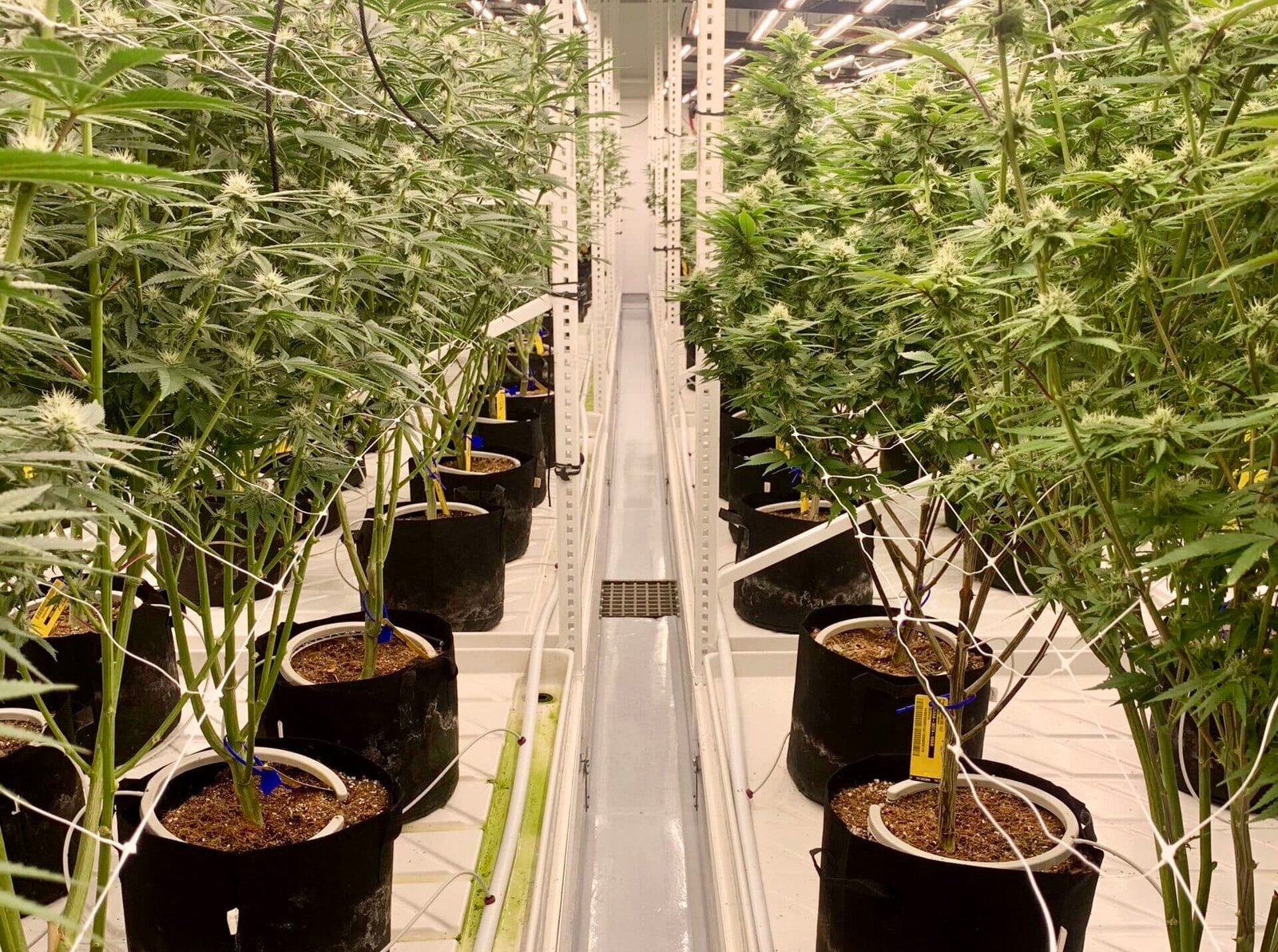
Extraction yield starts with resin development, not with a lab printout. Resin forms in trichomes, and trichomes respond to how a plant is grown. As a result, cultivation choices influence both yield and consistency. Some flower looks strong but carries weak resin density. Meanwhile, another batch can look similar and wash or extract far better. The difference often comes from environmental control and timing. Light intensity, temperature, humidity, and airflow influence how plants produce and store resin. Nutrition also matters, since plants need stable inputs to stay productive. Even so, “more” is not always better, especially with light and nutrients. When a grow facility aims for processor-ready material, it focuses on repeatable resin expression. Freedom Road approaches cultivation with controlled systems, so resin potential is supported on purpose. As a result, processors can plan production around reliable inputs.
Light: Intensity, Spectrum, and Stability
Light is one of the biggest drivers of resin development. When intensity is appropriate, plants maintain steady photosynthesis and strong trichome production. However, overly aggressive light can stress plants and reduce quality. Too little light can also limit resin density and cannabinoid potential. Therefore, the goal is a stable range, not constant pushing. Spectrum can influence plant behavior as well, especially across growth stages. Yet stability often matters more than chasing a new setting weekly. Sudden increases can trigger stress responses and uneven outcomes. Additionally, heat from lighting affects canopy temperature and transpiration. That means light choices must match HVAC and dehumidification capacity. A facility that controls the entire environment can hold those variables steady. Freedom Road prioritizes controlled cultivation conditions, so lighting strategies remain consistent. Consequently, resin expression becomes more predictable across harvests.
Stress: Helpful Signals vs Harmful Instability
Stress is often misunderstood in cultivation conversations. Some mild stress responses can increase resin expression in certain genetics. Even so, uncontrolled stress usually creates problems for processors. When plants swing between extremes, resin production can become uneven. That unevenness shows up later as inconsistent yields and variable flavor. Common stressors include heat spikes, humidity swings, drought cycles, and airflow problems. In addition, pest pressure and disease risk can push plants into survival mode. While survival mode sounds exciting, it can reduce uniformity across a crop. Furthermore, repeated stress can increase batch-to-batch variability, even within the same strain name. A grow facility aiming for extraction-ready inputs focuses on stability first. Freedom Road’s approach emphasizes controlled conditions and prevention-based practices. As a result, plants can express resin consistently without chaotic swings.
Nutrition: Balance Matters More Than “Strong Feed”
Nutrition influences resin by supporting healthy growth and stable metabolism. When a plant is balanced, it can allocate energy toward trichome production and maturity. However, overfeeding can create harsh outcomes and uneven development. Underfeeding can also reduce vigor and limit resin potential. Therefore, consistent nutrition protocols matter more than aggressive feeding schedules. Additionally, root-zone conditions affect nutrient uptake and plant stability. If uptake changes suddenly, plants can display stress signals that impact resin. Different genetics also respond differently to similar feeding programs. Because of that, strong facilities build nutrition strategies that match the cultivar and the environment. They also watch for drift and correct it early. Freedom Road focuses on consistent cultivation practices that support predictable plant performance. That consistency can translate into more reliable extraction inputs. In turn, processors gain confidence when planning batch runs.
Consistency Drivers: Why Repeatability Is A Cultivation Skill
Processors want repeatability because repeatability protects production schedules. For that reason, consistency drivers should be a top topic in supplier conversations. The biggest drivers are stable environment control and disciplined procedures. Temperature, humidity, and airflow should be held within tight ranges. Additionally, irrigation timing and nutrient delivery should stay consistent. Staff training matters too, because inconsistent techniques create inconsistent outcomes. Even small changes in defoliation or handling can shift the crop. Meanwhile, post-harvest practices protect the resin that cultivation produced. Drying and curing should be controlled and repeatable, not rushed. When a facility treats cultivation like a system, variability drops. Freedom Road emphasizes process discipline and controlled environments. As a result, partners can expect more stable inputs across time. That stability is especially valuable for processors building repeatable product lines.
Why “Hot” Batches Happen and Disrupt Processing
“Hot” batches often refer to unexpected potency spikes or unusual behavior during processing. Sometimes, those spikes come from true genetic expression. Other times, they come from environmental swings and inconsistent inputs. For example, uneven light exposure can create uneven cannabinoid development across a canopy. Likewise, stress events can push resin expression differently from week to week. Nutrient imbalances can also shift chemistry, especially if corrections happen late. Additionally, harvest timing changes can alter how a batch performs. That is why “hot” batches can be hard to repeat on demand. Processors may see yield swings, texture changes, and flavor differences. Dispensary buyers may see inconsistent customer feedback as well. The fix is not hype or luck. The fix is stability, documentation, and consistent execution. Freedom Road aims to reduce “hot batch” surprises through controlled systems. Consequently, partners can plan with fewer disruptive swings.
What To Ask A Grower Before Buying Extraction-Focused Inputs
A good supplier conversation should feel clear and practical. Start by asking how the facility controls key variables. Ask about environmental targets for temperature and humidity stability. Ask how the facility keeps lighting intensity consistent across runs and standardizes nutrition programs for each cultivar. Another question to ask is how the grow team minimizes stress fluctuations during the most important weeks of the cycle. If you need extraction-ready inputs, ask how batches are separated and labeled. Additionally, ask how harvest timing is chosen and documented. Request clarity on post-harvest handling and storage conditions. If COA panels include terpenes, compare ranges across recent batches. When answers are detailed and consistent, risk goes down. When answers feel vague, variability usually rises. Freedom Road supports buyers through clear communication and repeatable production standards. As a result, processors can build supply relationships around real data and stable expectations.
How Documentation Supports Long-Term Partnerships
Documentation turns cultivation into a repeatable business process. Without records, suppliers rely on memory and guesswork. With records, they can identify what worked and repeat it. That matters for processors who need stable input specs. It also matters for dispensary buyers who want consistent menu performance. Documentation can include environmental logs, irrigation records, and harvest timing notes. It can also include batch labeling practices that reduce receiving confusion. Furthermore, records help explain changes when a batch shifts slightly. Instead of hiding variance, strong facilities can show what changed and why. Over time, that transparency builds trust. It also helps refine production toward tighter targets. Freedom Road’s grow facility focuses on disciplined processes and batch clarity. Consequently, partners can forecast more confidently and reduce production surprises. Predictability is not magic, and it comes from measurable habits.
Start A Conversation with Freedom Road
If your team is tired of inconsistent inputs, focus on cultivation variables first. Light stability, controlled stress, and balanced nutrition shape resin potential. In addition, disciplined procedures reduce the “hot batch” problem. When a grow facility documents its process, predictability improves. That improvement supports processors who value repeatable yields and reliable production planning. Freedom Road is based in Oklahoma City, OK, and focuses on professional cultivation standards. Our goal is to produce consistent, processor-ready material you can plan around. If you want clearer batch details and a steady supply conversation, reach out today.