
Author
Freedom Road
Share
Author
Freedom Road
Share
The Plant Question Starts in the Wrong Place
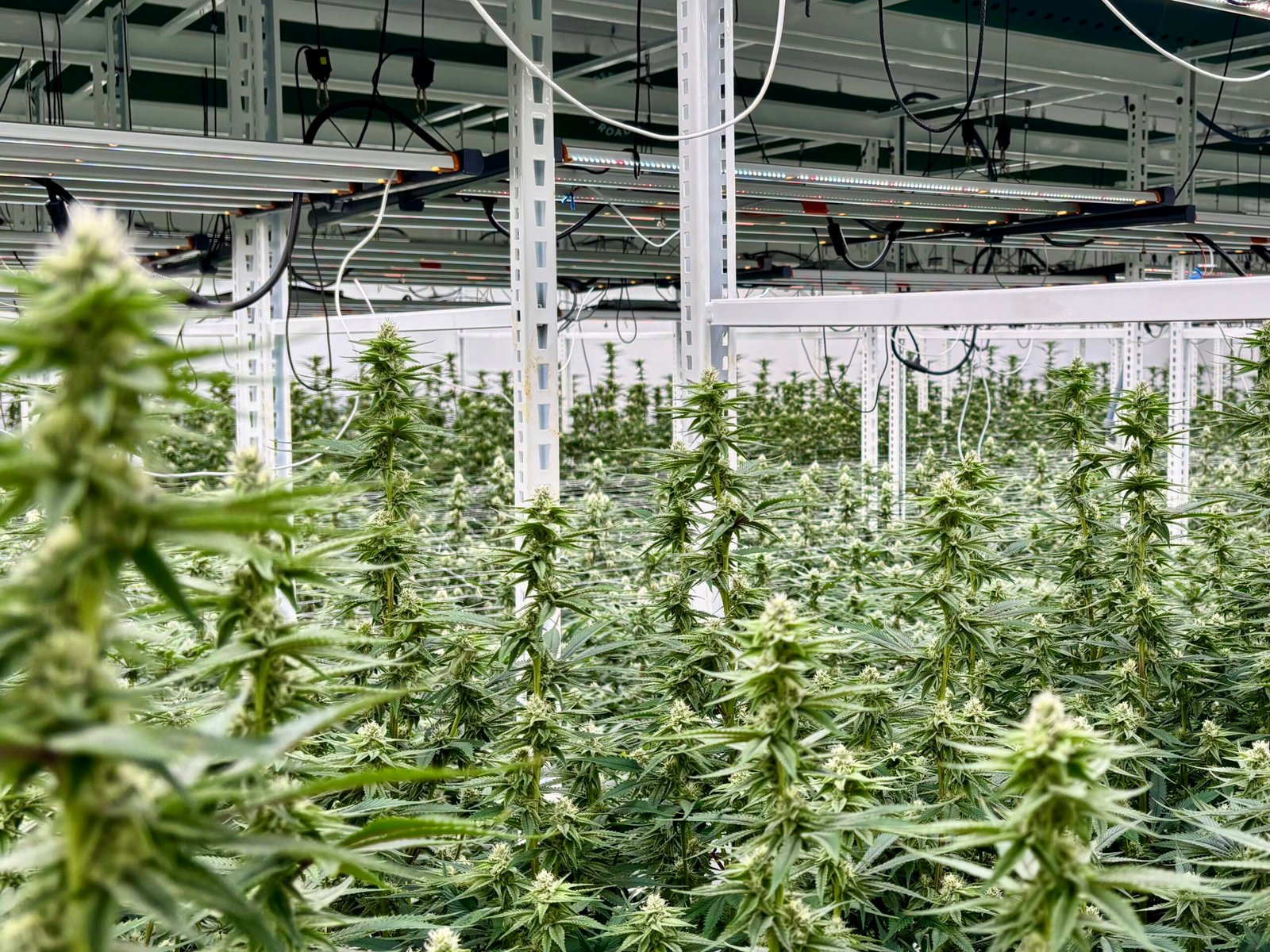
When people search for how many plants a commercial grower can have in Oklahoma, they usually expect one clear number. In practice, Oklahoma’s current commercial framework doesn’t start with one flat statewide plant allowance. Instead, OMMA ties licensing and fees to canopy size for indoor, greenhouse, and light-deprivation operations.
For outdoor grows, OMMA uses acreage tiers rather than a universal plant cap. Because of that, the smarter question isn’t simply plant count. It’s whether the operation fits the right tier, site, and compliance structure. That distinction matters because the flowering canopy drives the licensed size of many grow operations.
Meanwhile, immature plants and seedlings are treated differently in canopy calculations when those areas never hold mature flowering plants. So, anyone researching Oklahoma grower license rules should begin with canopy, acreage, and facility type before counting benches, rooms, or tables.
Oklahoma Measures Commercial Grows by Tier and Area
For indoor, greenhouse, and light-deprivation facilities, OMMA measures canopy area in square feet. Currently, Tier 1 covers up to 10,000 square feet, while Tier 7 starts at 100,000 square feet. For outdoor grows, Tier 1 covers up to 2.5 acres, and Tier 8 begins at 50 acres. Also, greenhouses aren’t treated as outdoor grows under the state’s tiered licensing structure.
If a business runs both indoor and outdoor production, it uses separate grow licenses. As a result, one operator might lawfully manage many plants, while another might hold fewer plants in a tighter canopy.
The legal limit depends on the licensed grow type and area, not on a one-size-fits-all plant table. Therefore, layout planning, flowering zones, and expansion timing matter just as much as genetics, labor, or yield goals.

Who Can Apply Under Oklahoma Grower License Rules
Next, Oklahoma grower license rules focus heavily on who can apply and where the grower can operate. Applicants must be at least 25 years old. Individual applicants must be Oklahoma residents, and entity applicants must demonstrate Oklahoma residency among their members, managers, and board members.
In addition, OMMA requires that Oklahoma residents hold at least 75% of the commercial ownership interests. Owners and officers must pass background checks, and certain recent felony convictions can disqualify them from applying. Applicants also need a Certificate of Compliance for the business location. Likewise, growers must show that the nearest perimeter wall sits at least 1,000 feet from school property lines.
For outdoor facilities, OMMA also requires registration with the Oklahoma Department of Agriculture as an environmentally sensitive crop owner. So, before anyone budgets for lights or irrigation, the real groundwork starts with residency, site approval, and screening.
Fees, Timing, and the Current Licensing Bottleneck
However, eligibility doesn’t finish the process. Grower licenses last one year, and OMMA says it processes commercial applications within 90 business days. The current fee system is tiered, so the cost rises with indoor canopy size or outdoor acreage.
For example, entry-level grow tiers start at $2,500, plus credit card processing fees. Grow applicants must also submit either a surety bond of at least $50,000 per license or proof that they’ve owned the licensed premises for at least five years. Right now, another rule matters even more for new entrants.
OMMA’s grower page lists a moratorium on new grower, dispensary, and processor licenses through August 1, 2026. It may end sooner if the agency determines that pending reviews and investigations are complete. Meanwhile, current licensees can still renew their licenses. Because of that, expansion planning, renewal discipline, and site readiness matter more than casual assumptions about easy market entry.
Daily Compliance Matters More Than a Raw Plant Count
After approval, compliance shifts from paperwork to daily execution. First, a transporter license is issued simultaneously with an approved grow license, but anyone driving product must also hold a transporter agent card.
Next, OMMA requires all licensed businesses to stay fully compliant in Metrc, the statewide seed-to-sale tracking system. Growers can sell only to licensed processors, dispensaries, or other licensed growers. Also, OMMA says licensees can’t accept incoming transfers until shipments are physically received, verified, and signed for.
Since June 1, 2025, Oklahoma has required pre-packaging for flower and other flower-based products that aren’t concentrates. Growers and processors must sell those items to dispensaries in quantities ranging from 0.5 grams to 3 ounces. So, operators need clean inventory habits, accurate manifests, and disciplined transfer procedures every day. That’s especially true when buyers want consistency, fast receiving, and fewer compliance surprises once the product reaches the shelf.
Why Oklahoma Buyers Should Care About Grower Rules
Ultimately, the answer to how many plants a commercial grower can have in Oklahoma isn’t a catchy number. Instead, the answer lives in OMMA tiers, canopy math, site rules, and ongoing compliance habits.
That’s why wholesale buyers should care about more than harvest photos or THC claims. They should ask whether a grow follows the current Oklahoma grower license rules from propagation through transfer. A disciplined grow team protects product integrity, keeps paperwork aligned, and reduces costly surprises at receiving.
For Oklahoma dispensaries and processors, that kind of consistency supports better planning and stronger shelf confidence. That’s where Freedom Road can make a difference. As an Oklahoma dispensary and grow facility, Freedom Road offers buyers a grow-backed source that understands compliant cultivation, dependable handling, and a consistent supply of Oklahoma-grown product.