
Author
amanda
Share
Author
amanda
Share
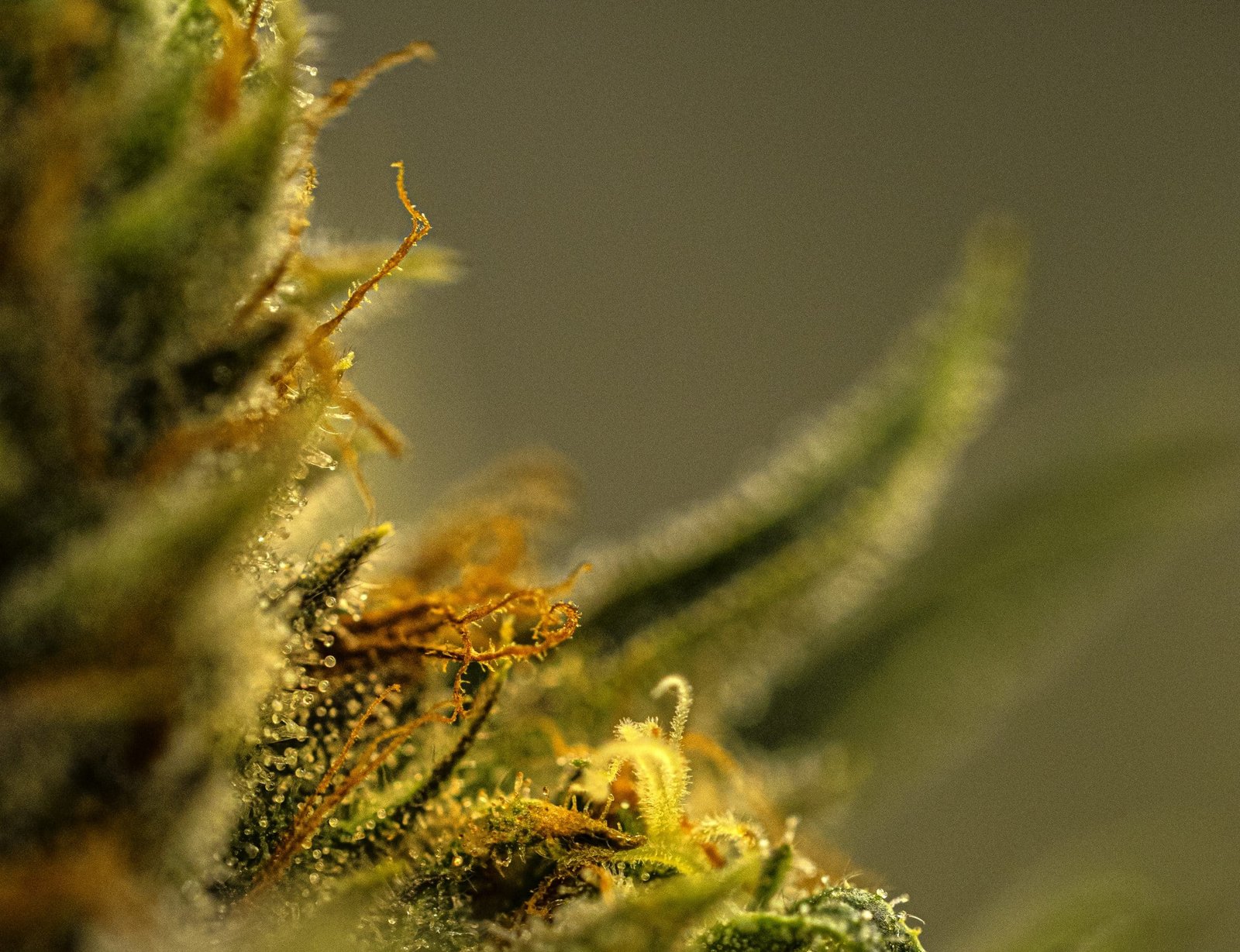
Biomass can lose value quickly when storage is sloppy. Processors feel that loss through weaker aroma, unstable inputs, and inconsistent runs. Dispensary buyers notice it later as dull flavor and uneven customer feedback. Even though cultivation creates the starting quality, handling protects that quality. Therefore, storage and transport should be treated like part of production. The goal is simple: keep material stable from facility to processor. Temperature, humidity, time, and packaging work together as a system. When one piece fails, the entire batch can suffer. For that reason, buyers should ask about standards before placing a large order. A reliable grow facility will explain how they prevent heat exposure and moisture swings. Freedom Road focuses on professional post-harvest discipline and clear batch handling. As a result, partners can plan around stable inputs and fewer unpleasant surprises.
Temperature and Humidity Priorities That Protect Resin
Temperature control is the first line of defense for biomass quality. Heat accelerates terpene loss and can change the input profile. Meanwhile, high humidity can raise microbial risk and create stability issues. On the other hand, overly dry conditions can make biomass brittle and easier to degrade. Therefore, the best approach is steady, moderate conditions that limit swings. Airflow also matters, because stagnant air can trap moisture and odors. In addition, condensation is a major red flag during transport. Condensation often appears when cold material meets warm air too quickly. That moisture can create off smells and performance problems later. For that reason, transitions should be managed carefully. A strong supplier will store material in controlled conditions before shipment. Freedom Road prioritizes stable post-harvest handling and careful storage discipline. Consequently, resin integrity is better preserved through the journey.
Timeline Discipline: Time Is A Quality Variable
Time can be just as damaging as heat. As days pass, volatile compounds fade and the profile can shift. Consequently, the same batch may process differently if it sits too long. That is why timeline discipline should be built into the buying plan. Start by agreeing on ship windows and receiving windows before pickup. Next, avoid unnecessary stops and unplanned storage transfers. If delays occur, document them and communicate quickly. In addition, avoid leaving material in warm vehicles or loading bays. Those short exposures add up faster than most teams expect. Even if the COA looks fine, performance can drop when timelines slip. Therefore, treat shipping time like a spec requirement. Reliable partners will plan harvest, prep, and transport as one workflow. Freedom Road supports predictable cadence and clear communication. As a result, processors can schedule runs with fewer timeline surprises.
Packaging Basics: Protect Material Without Creating New Problems
Packaging is not just a container, it is protection. Compression can damage resin heads and create fines. Excess fines can change how biomass behaves during processing. For that reason, packaging should protect structure while limiting movement. Clean liners and sealed containers reduce contamination risk during transit. At the same time, trapping moisture can be risky if material is not stable. Therefore, packaging must match the storage plan and the timeline. Labeling matters too, because clear IDs reduce mix-ups at receiving. Lot IDs, weights, and product descriptions should be consistent across paperwork. Additionally, avoid rebagging whenever possible, because each transfer adds handling risk. A disciplined facility will package with the destination workflow in mind. Freedom Road focuses on clean handling and clear batch separation. Consequently, partners receive material that matches the intended tier and spec. That clarity supports smoother processing and fewer disputes.
Simple Steps That Prevent Expensive Loss
Receiving is where problems become visible, so use a checklist. First, confirm lot IDs match invoices and packaging labels. Next, inspect packaging integrity and look for tears or broken seals. Then check for condensation, unusual moisture, or strong off odors. Also look for excessive fines, because it can signal overhandling or compression. If temperatures feel inconsistent, record it immediately. In addition, review storage instructions and confirm they are practical for your space. COA verification should happen too, especially for lot matching and panel completion. If something seems off, pause intake and request clarification in writing. That step protects both sides and prevents rework. Document photos when needed, because it reduces confusion later. A good supplier expects this professionalism and supports it. Freedom Road aims to make receiving easy with clear labeling and batch discipline. As a result, processors can move faster without sacrificing control.
Facility-To-Processor Handoff
The handoff is a critical moment, because it combines people, timing, and environment. Loading should be quick and organized to limit exposure. Staging areas should be clean and free from unnecessary foot traffic. In addition, batch separation should be protected during pickup and delivery. That means no unlabeled bags and no mixed lots. Communication should be simple, so both teams know what is arriving. For example, share the lot list, weights, and packaging format before transport begins. If a change happens, update documentation immediately. Temperature transitions should be managed carefully, because rapid warming can cause condensation. Therefore, keep movement predictable and avoid opening containers unnecessarily. When a grow facility treats handoff like part of quality control, problems drop. Freedom Road emphasizes consistent procedures and clear batch handoffs for partners. Consequently, processors can rely on stable inputs and smoother intake. That reliability supports long-term relationships and better production planning.
Why Choose Freedom Road For A Reliable Biomass Supply
Storage and transport rules protect the quality you already paid for. Temperature stability, humidity control, and timeline discipline reduce avoidable loss. Packaging and receiving standards keep batches consistent and traceable. A professional handoff completes the chain from facility to processor. Freedom Road is based in Oklahoma City, Oklahoma, and focuses on grow-facility standards that support wholesale partners. That includes careful post-harvest handling, clear batch separation, and predictable communication. When processors need dependable inputs, consistency matters more than hype. If your team wants biomass you can plan around, start with a supplier who treats handling as a system. Freedom Road aims to be that partner through discipline and transparency.